Analyze global supply chains
Study sourcing, logistics, operations, innovation, sustainability, risk, and international trade in real settings.
Travel through Japan, South Korea, and China while connecting international business concepts to companies, cities, markets, transportation systems, cultural sites, and everyday life.
This program is built for students who want to understand international business by observing it directly-how products move, how companies compete, how infrastructure supports commerce, and how culture changes the way business gets done.
Across Tokyo, Osaka, Kyoto, Seoul, Beijing, Nanjing, and Shanghai, academic seminars and guided reflection are paired with company and industry visits, guest speakers, cultural excursions, and direct observation.
Build a stronger global business lens while developing the confidence and cultural intelligence to work across borders.
Study sourcing, logistics, operations, innovation, sustainability, risk, and international trade in real settings.
Observe how firms in Japan, South Korea, and China approach efficiency, quality, technology, service, and global competition.
Practice adaptability, professional curiosity, reflection, and communication while navigating unfamiliar environments.
Bridging Borders: Exploring International Supply Chain (ILSA 4479/5479) blends core concepts with real-world exposure in three economies central to global manufacturing, logistics, technology, and trade.
Select a city to preview local photography. A photograph can show you a place. Being there helps you understand it.

Explore a global hub for advanced manufacturing, transportation, quality systems, consumer culture, and innovation.
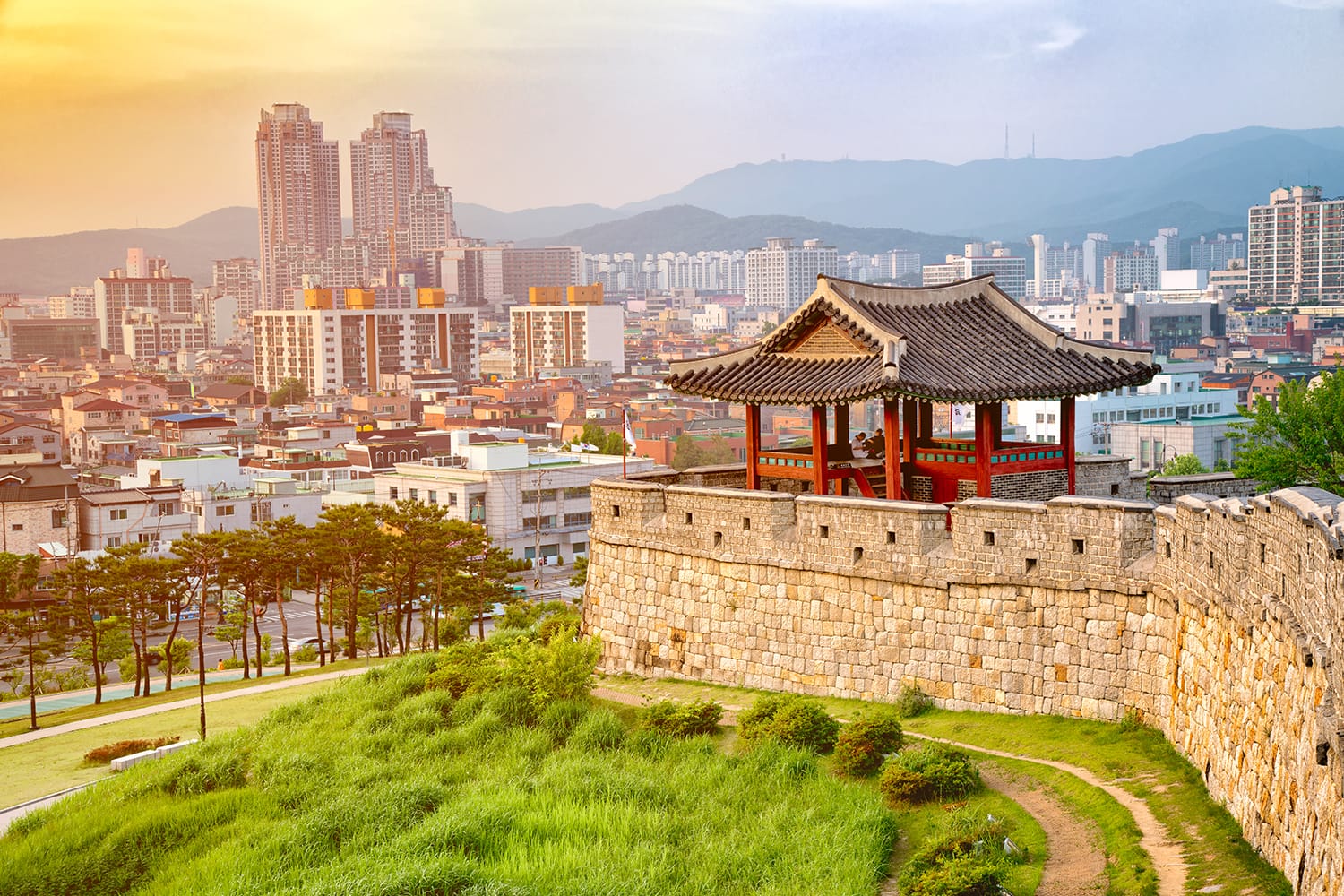
Experience Seoul as a living classroom for technology, consumer markets, urban systems, culture, and international business.

Connect history, education, manufacturing, innovation, infrastructure, and global commerce across major Chinese cities.
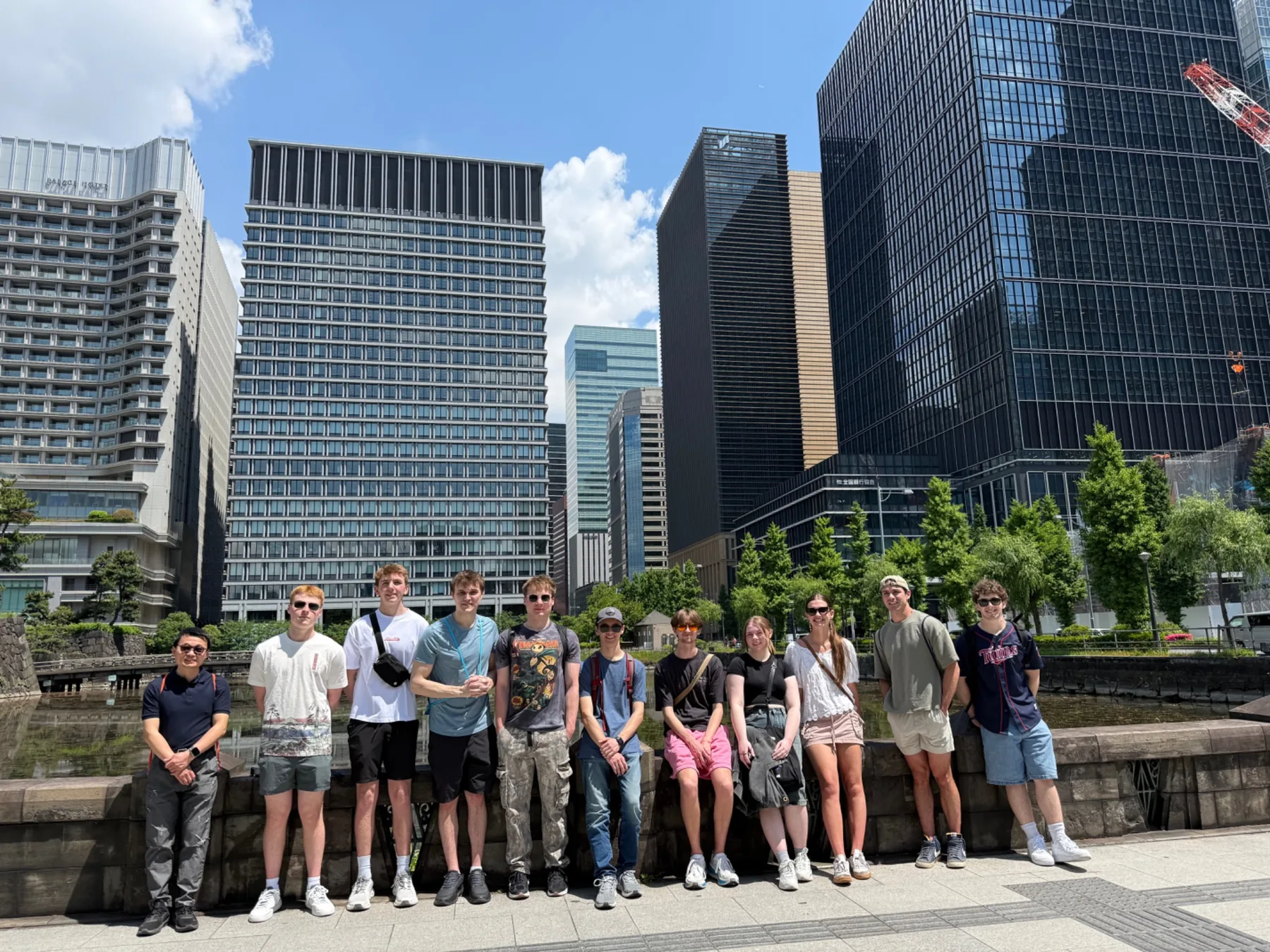
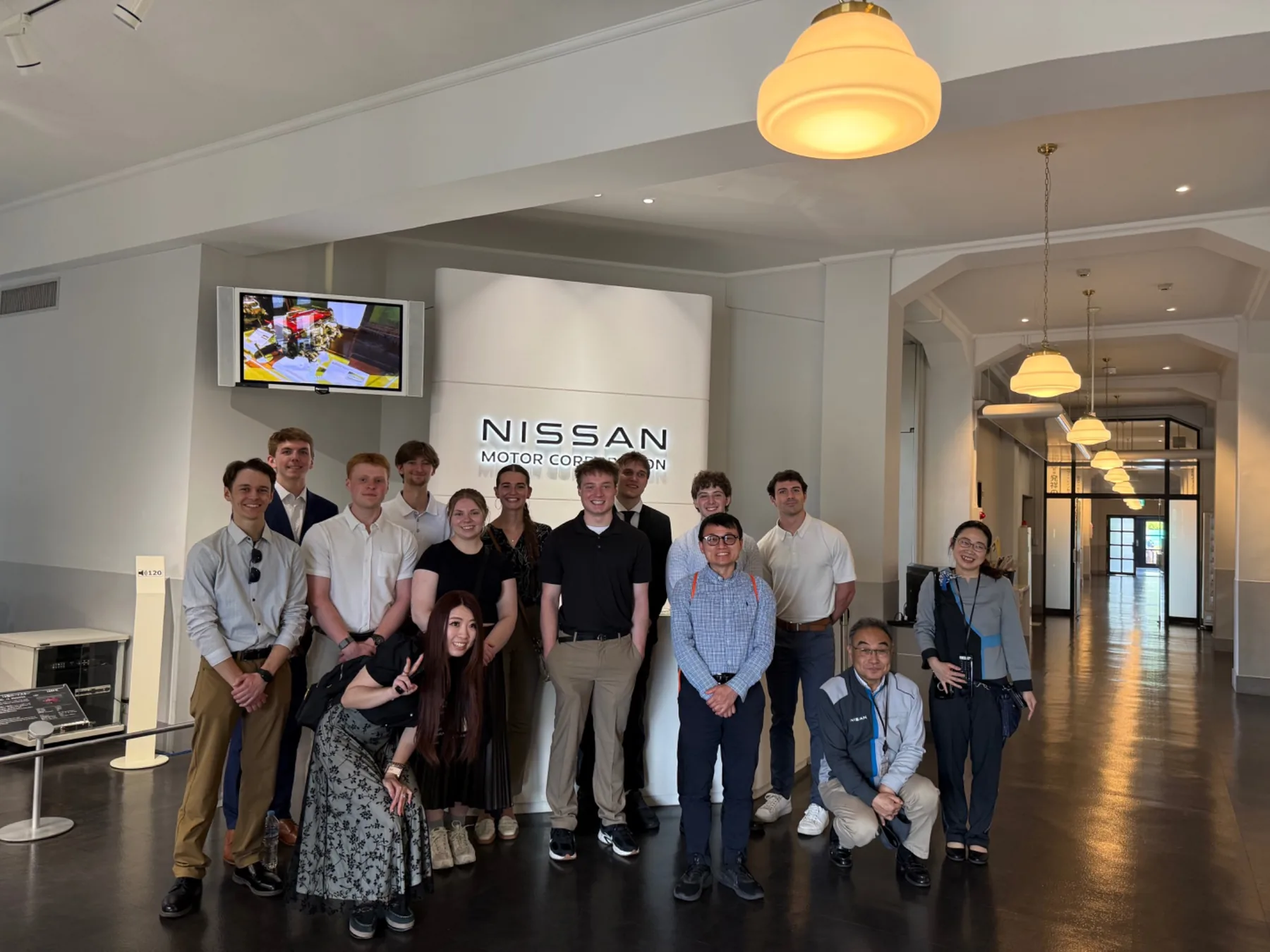
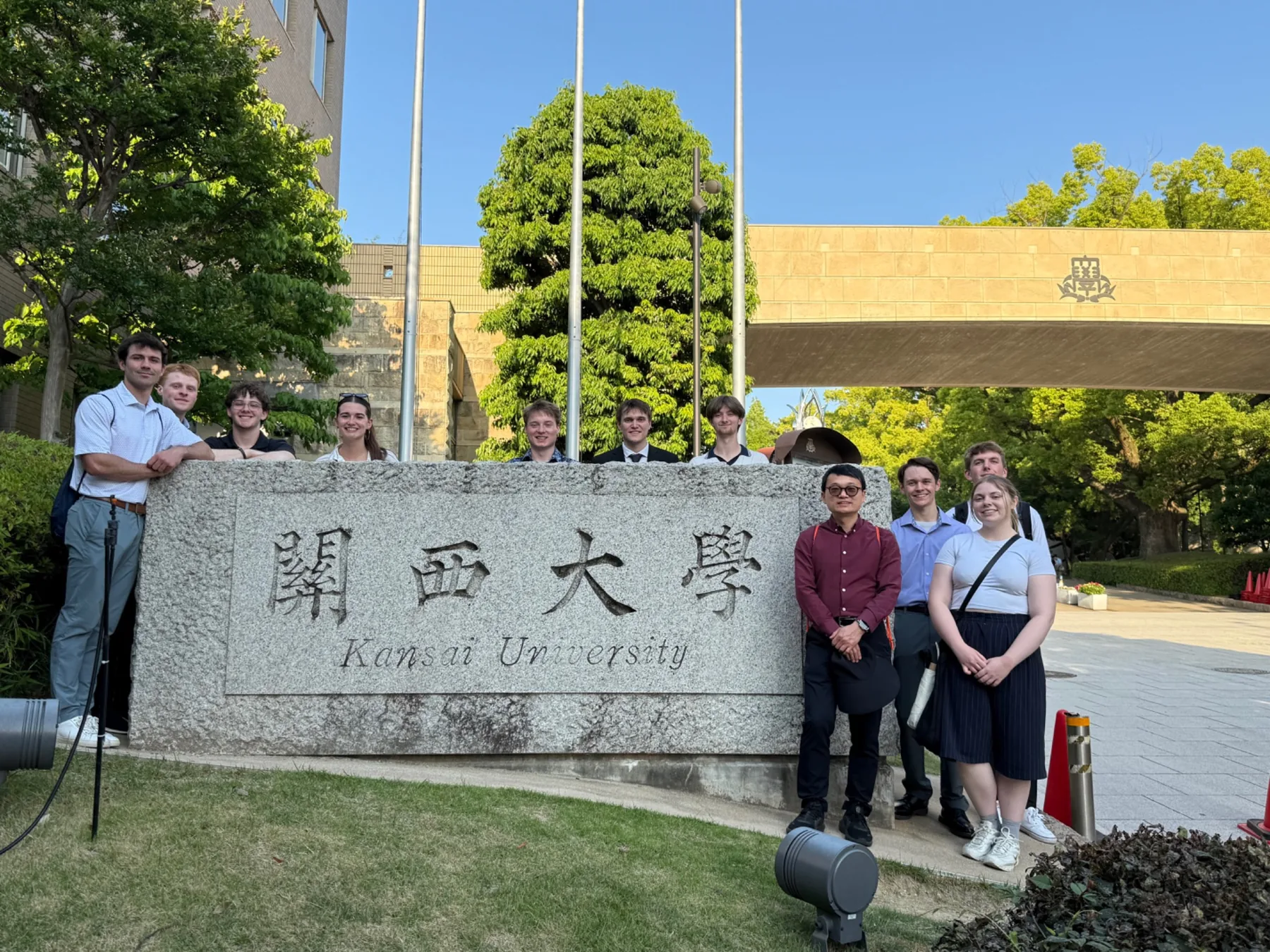
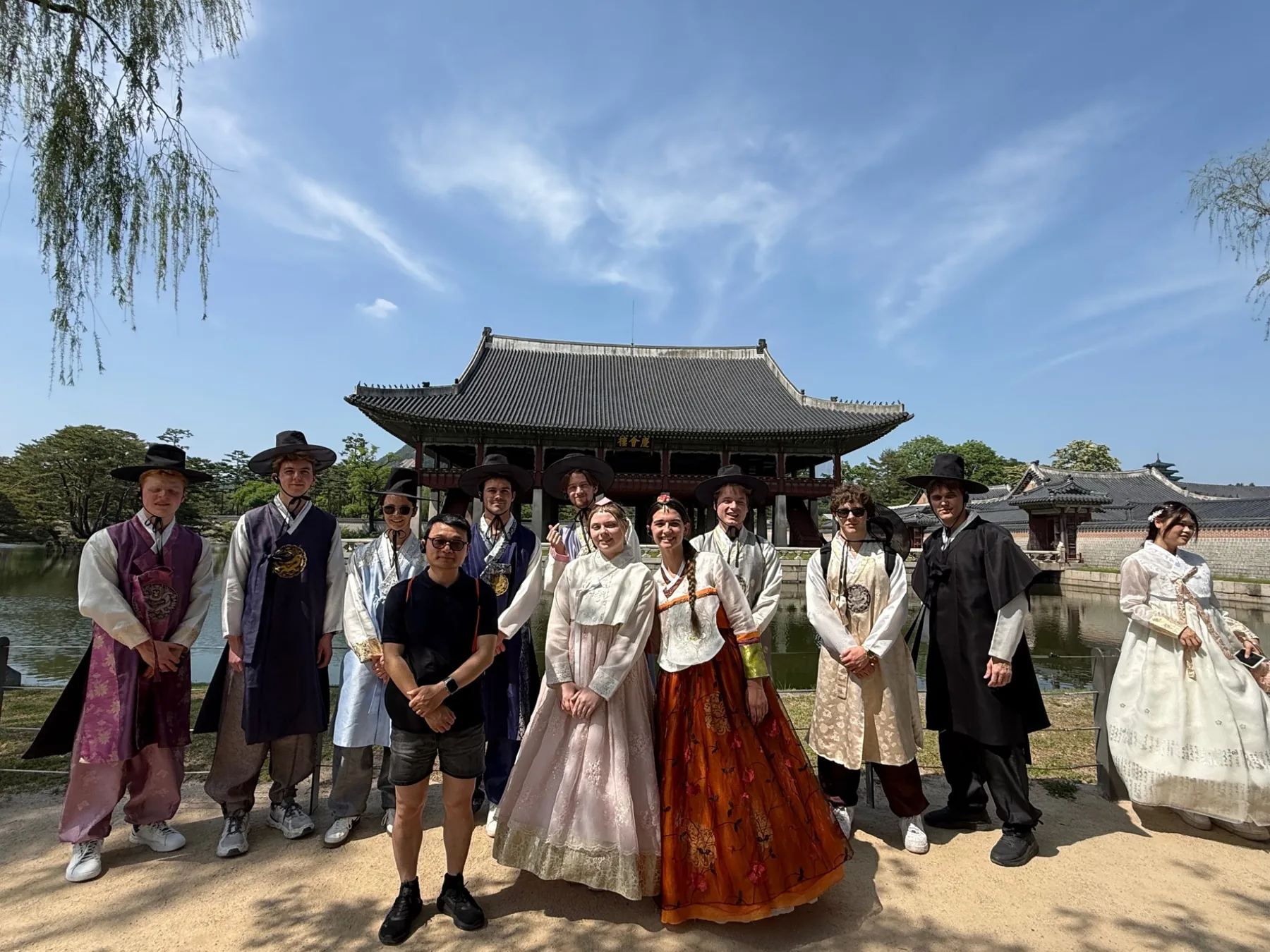
See what learning beyond the classroom looked like in Japan and South Korea through corporate visits, university exchange, cultural experiences, and shared exploration.
The program uses a tiered pricing structure designed to make this international experience more accessible to students. As enrollment increases, the estimated program fee may decrease, meaning a larger group can result in a lower cost per student.
The cost information below is provided by UMD Study Abroad and reflects the most current published estimates. Final program costs may vary based on enrollment and other program-related factors.
The official program page notes that the cost estimate excludes the $50 non-refundable application fee.
The current official prerequisites list a minimum 2.0 GPA. Students may participate after freshman year or after completing 24 college credits following high school; students may apply during freshman year but must complete it in good standing before participation.
The official page lists the LSBE upper-division International requirement and the Liberal Education Global Perspectives Category.
The official page currently lists tentative program dates of May 10–28, 2027. Because dates are tentative, confirm them on the official program page before booking independent travel.
The application deadline is February 1, 2027, and the confirmation deadline is February 14, 2027.
You do not need to wait to start planning. UMD notes that passport processing can take several weeks to a few months and recommends validity for at least six months beyond the program end date.
Applications are managed through the University of Minnesota Education Abroad system. Use the exact program name and term below so you select the correct experience.